Thinking about selling your home in Flushing but not sure when to list for the best results? You are not alone. Timing affects how many buyers you attract, how fast you sell, and the offers you receive. In this guide, you will learn when homes tend to perform best in our area, how to match timing to your goals, and what to do each season to stand out. Let’s dive in.
Best months to list in Flushing
If your top goal is maximum exposure and price, the strongest window is typically April through June. Buyer demand swells in spring, curb appeal improves, and many families plan moves that align with summer break. Well-prepped homes often see the most traffic in this period.
A solid secondary window is September and October. Some buyers who missed out in spring re-enter the market, and relocations often pick up before year-end. Pricing can still be strong for well-maintained homes.
The slowest months are November through February. Cold and snow can reduce showings, and the holidays pull focus. That said, competition is lower and buyers who are active tend to be serious. With realistic pricing and strong presentation, you can still achieve a fair outcome.
Match timing to your goals
Maximize price with a smooth summer move
List in April to early June so you can aim for a July or August closing. Build in 6 to 12 weeks of prep for repairs, staging, and marketing. This timing aligns well with local school calendars and the broader spring demand.
Sell quickly with fewer showings
If speed matters more than timing, a late fall or winter listing can attract motivated buyers, including investors and relocators. Price competitively, focus on convenience, and highlight move-in readiness.
Avoid bidding wars and pace your move
If you prefer a calmer process, late fall and winter often bring fewer multiple-offer scenarios. Keep pricing expectations realistic and lean on strong marketing to reach committed buyers.
Buy and sell at the same time
Selling in spring typically gives you more replacement-home options. Coordinate timelines so your sale proceeds and purchase close smoothly. Flexible possession and clear communication help reduce stress.
Seasonal prep and marketing
Spring: April to June
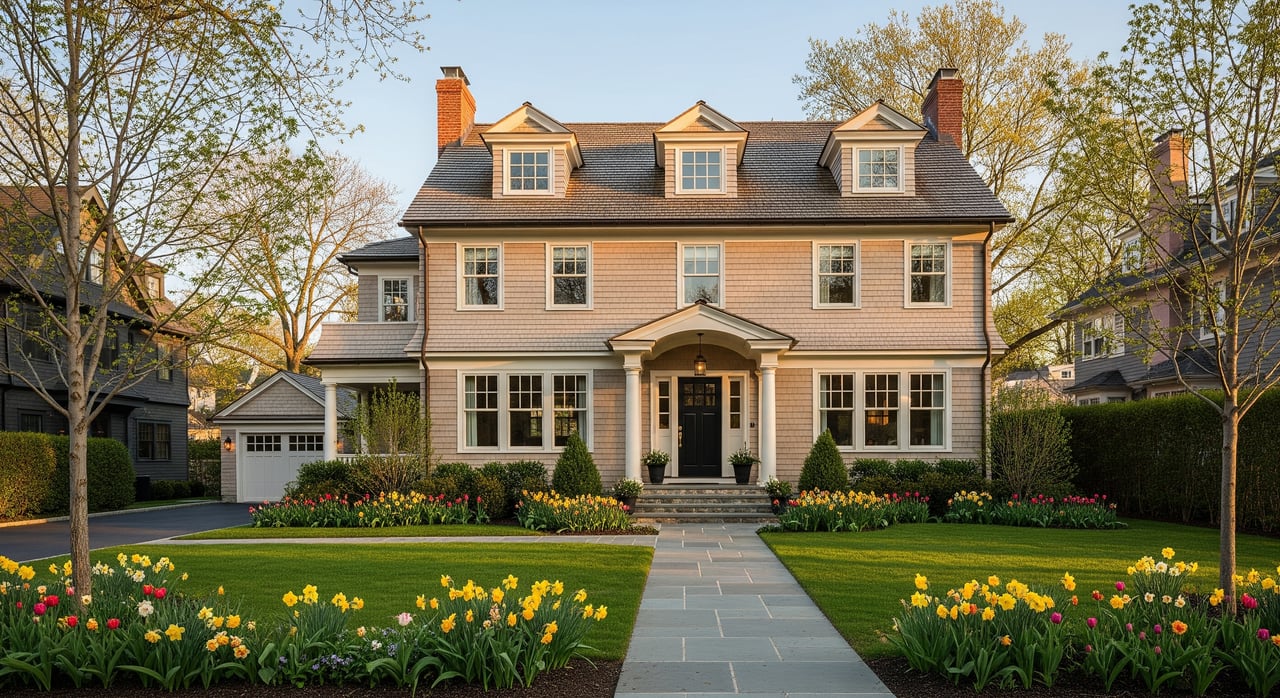
- Curb appeal: fresh mulch, trimmed shrubs, cleaned walkways, and seasonal plants.
- Photography: schedule for bright days that show green lawns and blooming beds.
- Marketing focus: broad online exposure, open houses, and local social ads.
- Pricing: set a competitive price to encourage strong early traffic.
- Staging: showcase outdoor living spaces and practical storage.
Summer: June to August
- Highlight comfort: air conditioning performance, shade, and outdoor spaces.
- Showings: offer evening and weekend slots around vacations.
- Marketing focus: emphasize move-in readiness and community amenities.
- Staging: make patios and decks look like an extension of the living area.
Fall: September to October
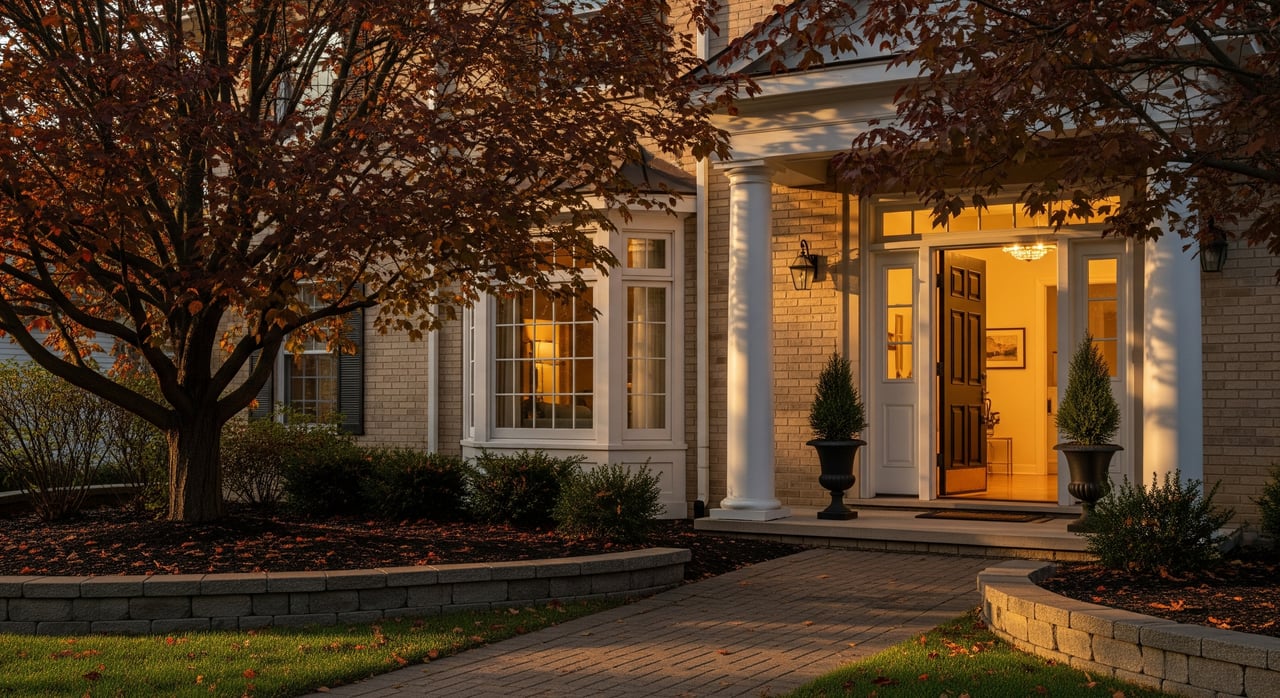
- Curb care: clear leaves and maintain edges for a crisp look.
- Staging: warm accents without heavy holiday decor.
- Marketing focus: target buyers who want to close before the holidays.
- Pricing: you can often stay near spring levels for well-kept homes.
Winter: November to February
- Safety first: reliable snow and ice removal for walks and drive.
- Staging: warm lighting, cozy feel, and proof of HVAC maintenance.
- Photography: focus on bright interiors and virtual tours; consider twilight shots.
- Pricing: be realistic; incentives like closing credits or rate buydowns can help.
Pricing, negotiation, and financing
Pricing strategy matters in every season. In spring, well-priced homes can draw more showings and stronger terms. Overpricing early can stall momentum, even when demand is high.
In slower months, incentives can widen your buyer pool. Consider seller-paid closing costs, including appliances, or a temporary rate buydown to ease monthly payments. Small concessions can increase net interest from serious buyers.
Keep an eye on mortgage rates. Rising rates can reduce buyer budgets and extend days on market. Lower rates often boost demand and competition. Timing your list date with rate trends can make a measurable difference.
Tax refunds in late winter and early spring can also help buyers with down payments. This is one reason spring listings often see strong activity.
Simple seller timeline
- 8 to 12 weeks before closing goal: declutter, gather contractor bids, and plan repairs.
- 6 to 8 weeks before list date: complete repairs, deep clean, and stage.
- 2 to 3 weeks before list date: professional photos, floor plans, and marketing materials.
- While on market: expect 2 to 8 weeks, depending on season and price tier.
- Contract to close: plan for 30 to 45 days for financing and contingencies.
Quick checklists
Pre-listing essentials
- Review recent local comps and set a data-backed price range.
- Check major systems: HVAC, roof, plumbing, and electrical.
- Clean, declutter, and complete light staging.
- Optional pre-list inspection to reduce renegotiations.
- Verify disclosures and property tax details.
Season highlights
- Spring: landscaping, power wash, paint touch-ups.
- Summer: stage outdoor areas, showcase cooling and efficiency.
- Fall: clear gutters, remove leaves, add warm accents.
- Winter: snow plan, bright interior lighting, virtual tour ready.
Local factors to watch
Flushing follows the classic Midwest pattern, but the magnitude shifts with inventory, mortgage rates, and Genesee County economic conditions. Weather matters too. Snow and short daylight can limit showings, so presentation and access are key in winter.
School schedules influence family moves. If you want to appeal to that segment, plan for an April to early June list date to support summer closings. Community events can also increase visibility, so keep an eye on local calendars for smart timing.
Ready to plan your list date and prep steps around your goals? For a personalized strategy, professional marketing, and responsive service backed by proven production, connect with Jackie Stratton. Get your instant home valuation and a clear plan from prep to closing.
FAQs
What is the best time to sell a home in Flushing, MI?
- The strongest window is typically April through June, with a secondary opportunity in September and October, and the slowest activity in November through February.
Do homes still sell in winter in Genesee County?
- Yes, but buyer traffic is lower; with realistic pricing, strong online presentation, and easy access for showings, you can reach motivated buyers and sell at fair value.
How early should I start prepping my Flushing home to sell?
- Start 6 to 12 weeks before your target list date to handle repairs, deep cleaning, staging, and professional photography without rushing.
Should I renovate before selling my home in Flushing?
- Focus on cost-effective updates like fresh paint, curb appeal, and small kitchen or bath refreshes rather than major remodels, which often have lower returns.
Are open houses effective in Flushing, MI?
- They can be very effective in spring and summer to build momentum; in slower seasons, targeted showings and high-quality virtual tours work well.
How do mortgage rates impact my sale timing and price?
- Rising rates can limit buyer budgets and extend days on market, while lower rates can increase competition; timing your list date with rate trends can help your outcome.