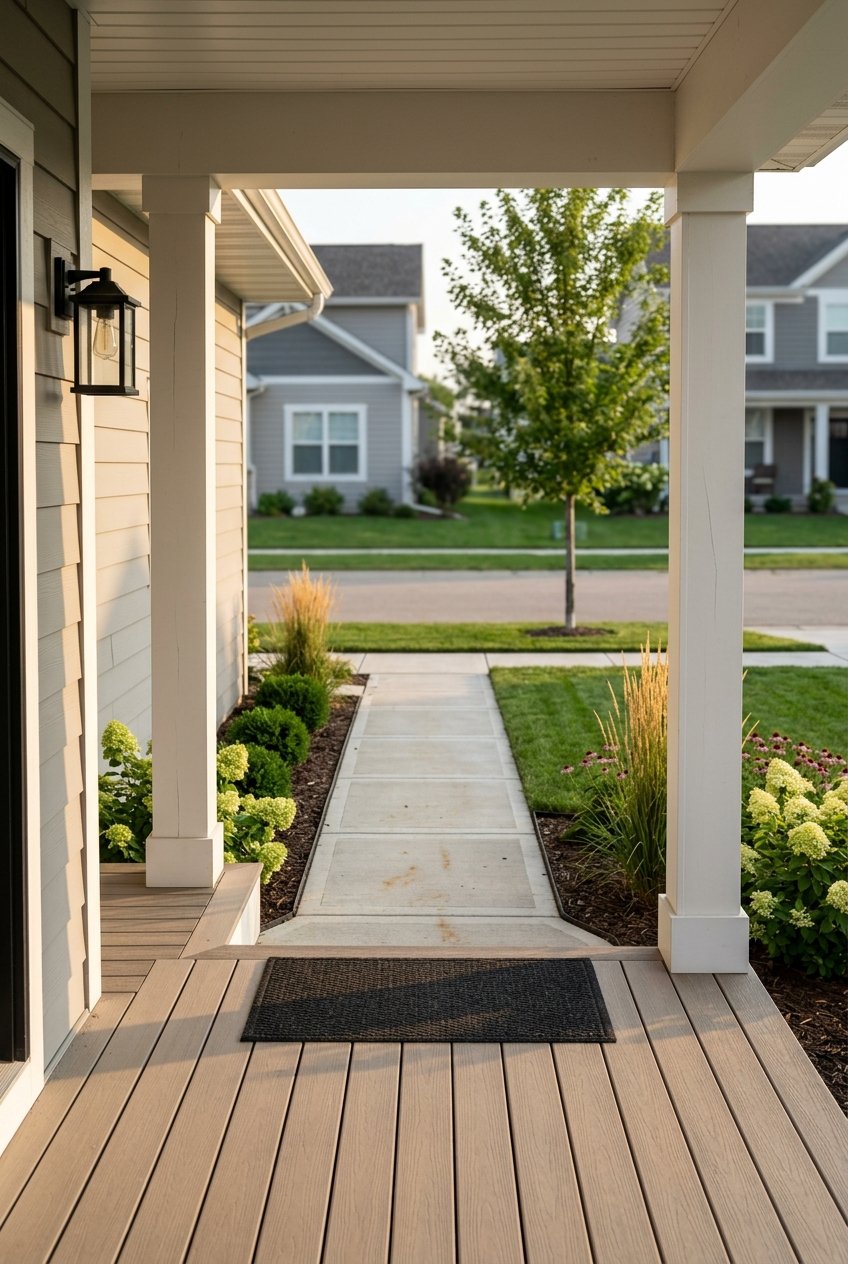
Are you drawn to the clean lines and lower-maintenance appeal of a newer subdivision, or do you keep picturing a home on an older Linden street with mature trees and more architectural personality? If you are home shopping in Linden, that choice can shape not just the house you buy, but also how your day-to-day life feels. Understanding the trade-offs can help you focus your search, ask better questions, and move forward with more confidence. Let’s dive in.
Why This Choice Matters in Linden
Linden is not a one-style housing market. According to Census Reporter’s profile of Linden, the city has a mixed housing stock with a median construction year of 1991, including homes built before 1939 and many built from 2000 to 2009.
That mix is part of what makes Linden appealing to buyers with different priorities. The city also highlights its historic small-town center around Bridge and Broad, with the Mill, the Shiawassee River, downtown shops, restaurants, parks, and trails as key parts of the community identity, as noted on the City of Linden visitors page.
In simple terms, you are not just comparing old versus new. You are comparing predictability versus character, along with differences in lot layout, maintenance expectations, neighborhood structure, and proximity to Linden’s historic core.
What Newer Subdivisions Often Offer
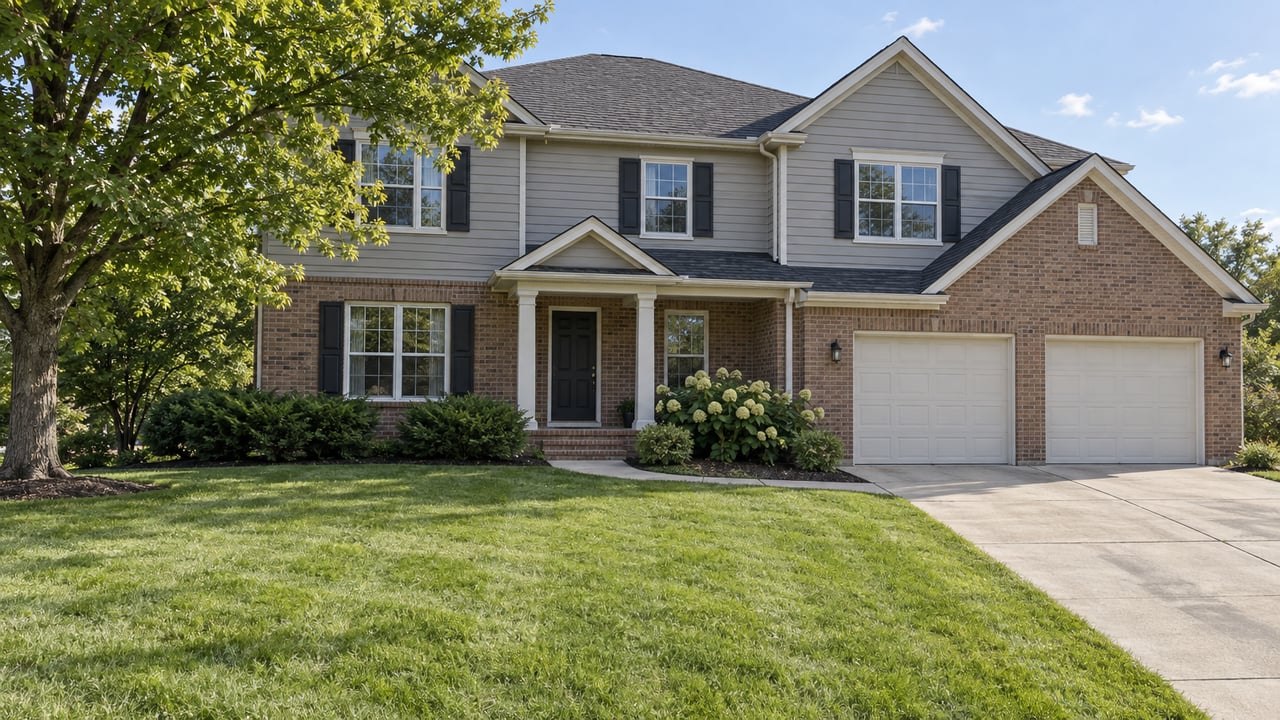
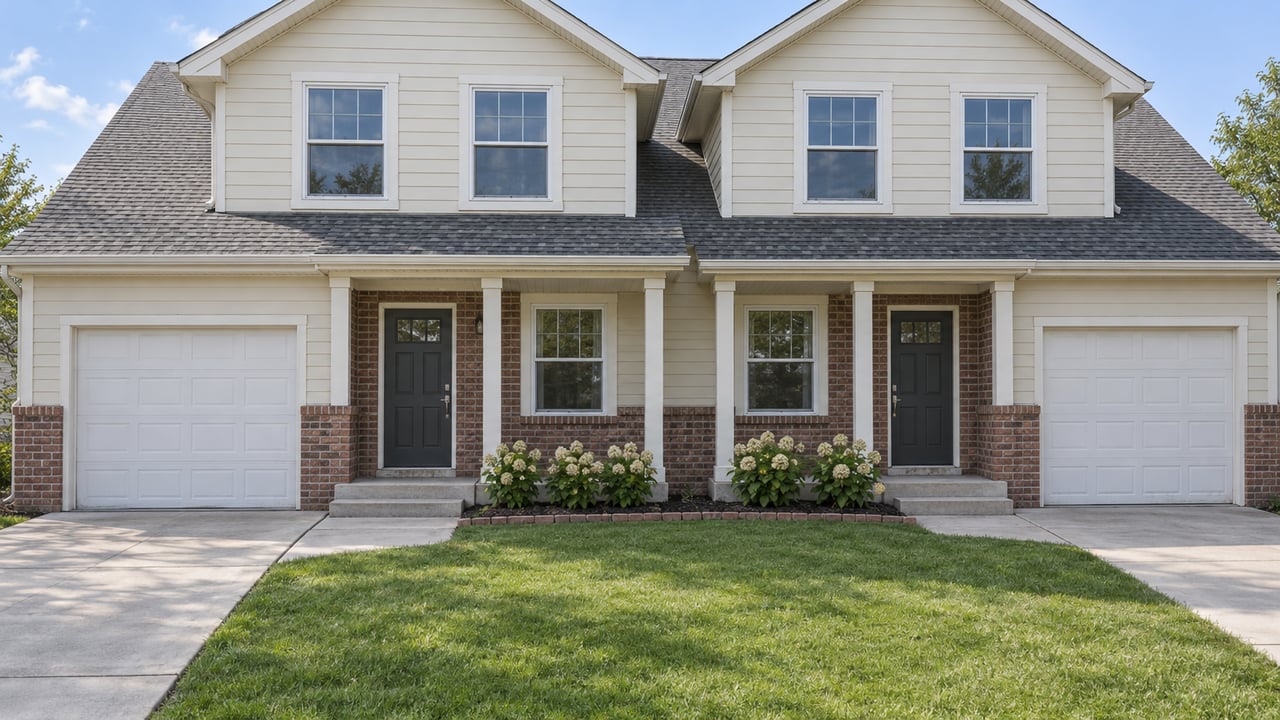
Newer Linden-area subdivisions tend to appeal to buyers who want a more standardized home search. Based on the research examples, these communities often feature ranch and two-story floor plans, larger homes, and newer finishes.
Examples in the Linden area show homes ranging from roughly 1,533 to 3,135 or more square feet, with some communities offering nature-oriented settings and larger homesites. These examples suggest that newer neighborhoods often emphasize layout consistency, updated systems, and a more managed community feel.
More Predictable Floor Plans
If you want to compare one home to another without huge swings in layout, newer subdivisions may feel easier to shop. You are more likely to see open-concept living areas, newer kitchens, and floor plans designed around current preferences.
That kind of predictability can make decision-making less stressful. Instead of wondering how much remodeling a home may need, you may be choosing between finishes, lot placement, and community rules.
Larger Footprints and Defined Lots
The examples in the research report also point to larger home sizes and clearly defined homesites. In communities like Liberty Shores, listings have described 100-foot-wide homesites and larger minimum build expectations.
For some buyers, that structure is a plus. It can make the neighborhood feel more uniform and easier to understand when you are comparing yard space, setbacks, and home placement.
HOA or Condo Rules
One of the biggest differences in newer communities is shared governance. Research examples show HOA or condo fees in some neighborhoods, including a semi-annual HOA fee in West Winds and a monthly HOA fee in Liberty Shores.
That does not automatically make a newer subdivision better or worse. It simply means you will want to review the dues, rules, and any common-area restrictions before you buy.
What Established Linden Streets Often Offer
Established streets in Linden tend to offer more variation. Research examples on North Bridge Street include homes built in 1880, 1920, and 1925, with different lot sizes and living areas.
If you enjoy homes that do not all look alike, this part of the market may stand out to you. Older streets often bring a different feel, with more architectural variety, mature landscaping, and less uniform spacing from one property to the next.
Character Near the Historic Core
Linden’s historic identity is a real part of the local experience. The city notes that the community was established in 1871 and includes structures dating back to 1840, centered around the downtown area near Bridge and Broad, according to the City of Linden visitors page.
For buyers, that can mean easier access to the places that give Linden its small-town appeal. Depending on the property, you may be closer to downtown shops, restaurants, the river, and local parks and trails.
More Variety in Home and Lot Style
Established streets usually offer less sameness. You may see a smaller cottage-style home on one lot, a larger historic property nearby, and a range of yard sizes on the same street.
That variety can be a benefit if you are open-minded and value uniqueness. It can also mean you need to evaluate each home more individually, since age, updates, and lot dimensions may vary quite a bit.
More Maintenance Questions
Older homes can offer charm, but they may also require more ongoing attention over time. Even if a property has been updated, buyers often need to look more closely at condition, improvement history, and future maintenance needs.
This does not mean older homes are a poor choice. It means they are often a better fit if you are comfortable balancing charm and location with the reality that systems, materials, and upkeep can differ from house to house.
Historic District Questions to Ask
If you are looking near Linden’s older core, historic-district review is an important topic to confirm. The city’s Planning Commission page notes local planning oversight, and the research report also states that Linden designated its first historic district in 1975 through the Certified Local Government program.
That does not mean every older home is in a historic district. It does mean you should verify whether a property is in or near a locally designated district and whether proposed exterior work may be subject to review.
Newer vs. Established: A Quick Comparison
| Feature | Newer Subdivisions | Established Streets |
|---|---|---|
| Home style | More standardized ranch and two-story plans | More variety in age and architecture |
| Layouts | Often designed around modern preferences | Can vary widely from house to house |
| Lot feel | More defined and uniform | Often more mixed in size and shape |
| Governance | HOA, condo, or site condo rules may apply | Less likely to have subdivision-style governance |
| Setting | Managed neighborhood environment | Closer ties to Linden’s historic streetscape in some areas |
| Buyer fit | Buyers who want predictability and newer features | Buyers who value character and flexibility |
How to Decide What Fits You Best
The best choice usually comes down to your priorities, not a universal “better” option. A newer subdivision may be the right fit if you want a more recent floor plan, clearer community structure, and fewer surprises in layout and finishes.
An established Linden street may be a better match if you value architectural variety, mature surroundings, and being closer to the historic heart of the city. If you are comfortable evaluating each home on its own condition and features, older streets can open up more unique opportunities.
Questions to Ask Before You Make an Offer
As you narrow your search, these questions can help you compare homes more clearly:
- Is the property inside the City of Linden or in a township with a Linden mailing address?
- Is the home in a platted subdivision, condo, or site condo?
- Are there HOA or association dues?
- What rules apply to exterior changes, common areas, or lot use?
- What are the lot dimensions and setbacks?
- Is the property in or near a locally designated historic district?
- How much updating or maintenance should you expect in the next few years?
These questions matter because two homes with the same Linden address can offer very different ownership experiences.
The Bottom Line for Linden Buyers
Linden gives you options, and that is a good thing. With a housing mix that includes both older homes near the historic core and newer subdivision-style properties, you can focus less on what is “best” in general and more on what fits your lifestyle, budget, and comfort level.
If you want help comparing specific Linden neighborhoods, reviewing property details, or narrowing down which type of home fits your goals, Jackie Stratton can help you make sense of the options with local, practical guidance.
FAQs
What is the main difference between newer subdivisions and established streets in Linden?
- Newer subdivisions often offer more predictable floor plans, newer finishes, and HOA or condo structures, while established streets tend to offer more architectural variety, mixed lot sizes, and closer ties to Linden’s historic core.
Are all older homes in Linden located in a historic district?
- No. The research shows Linden has a Historic District Commission and local historic district structure, but that does not mean every older home or street is within a designated district.
Do newer Linden-area neighborhoods usually have HOA fees?
- Some do. Research examples from newer communities show HOA or condo fees, so you should always review association documents, dues, and restrictions before buying.
Are homes on established Linden streets usually closer to downtown?
- Some are, especially near the historic area around Bridge and Broad, where the city highlights shops, restaurants, the Mill, the river, parks, and trails.
Is a Linden mailing address always inside the City of Linden?
- No. The research report notes that some newer communities may be located in surrounding townships while still using a Linden mailing address, so it is important to confirm the property’s actual municipality.
How can you decide which type of Linden home fits you best?
- Start by ranking your priorities, such as layout, maintenance expectations, lot style, neighborhood rules, and proximity to downtown, then compare homes through that lens rather than focusing only on age.